
The Tlacuache (Opossum) and Pulque, In some Nahua myths, the Tlacuache is credited with discovering pulque. The legend goes something like this: The Tlacuache, wandering through the agave fields, nibbled at the maguey plant and discovered its sweet, intoxicating sap. After becoming drunk, it stumbled around, zigzagging across the land — and its path became the riverbeds and valleys of central Mexico.
Pulque, pulquito, sabroso divino y bonito.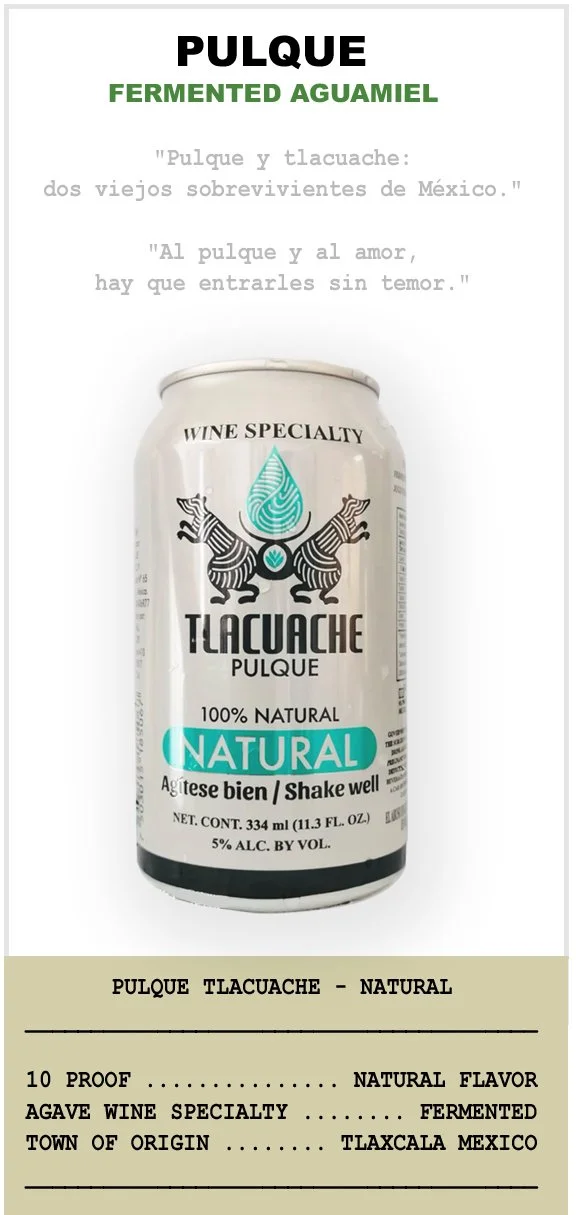
The Nahuatl word poliuhqui means "to be corrupted", and it is this word that has given its name to the well-known "drink of the gods": pulque, a drink that dates from pre-Hispanic times, and that was only drunk in rituals and important festivals. Legend has it that pulque was a gift from the goddess Mayahuel, goddess of the maguey, to the indigenous communities.In the post-revolutionary era, pulque had its splendor, as society encouraged the use and consumption of products of national origin; it is recorded that, at that time, the capital of the country had more than three thousand pulquerias, which succumbed to a negative campaign against pulque, added to the fact that tequila gained ground, becoming the favorite alcoholic beverage of Mexicans.Over the years, pulque has regained value before the palate of Mexicans, to the extent that recently the Museum of Pulque and Pulquerías was inaugurated, in the Historic Center of Mexico City, and its consumption is encouraged in different parts of the country, highlighting the so-called "very pulqueros towns" located in Puebla, State of Mexico, Tlaxcala and Hidalgo, as well as the pulqueras haciendas that show tourism the artisanal way of producing this traditional drink. Here we show you the main pulqueras haciendas:Haciendas Soltepec, Tenexac and HuamantlaHuamantla, magical town of Tlaxcala, has these haciendas that have become points of reference to understand the pulquera history of the area. If you visit these haciendas you can admire their buildings, which date from the seventeenth and eighteenth century, and they will show you how the maguey is treated to extract the liquid; In addition, you can taste different "cured".Hacienda Casa Grande and San Antonio TochatlacoHidalgo is a state of mining history and pulque production that has, among other attractions, these picturesque haciendas where you can participate in tours to learn more about the richness of the drink and enjoy it with a good barbecue taco.Hacienda de AmoltepecIn this hacienda poblana they will explain the importance of the care of the plant, you can ride a bicycle or walk among the fields of maguey, and you will taste pulque and mead. If you decide to walk through the streets of the town you will be fascinated by its beautiful architecture and know the sites that are dedicated to the sale of this drink.These are the states and the most pulqueras haciendas that await you to enjoy the drink of the gods and know the cultural richness of the place.
Pulque is one of Mexico's oldest and most iconic traditional beverages, with a history that stretches back thousands of years. Made from the fermented sap of the maguey (agave) plant, pulque was a sacred drink for many pre-Hispanic civilizations, including the Aztecs, who considered it a gift from the gods. In fact, its consumption was initially restricted to priests, nobles, warriors, and the elderly, especially during religious ceremonies. The drink was believed to have divine origins, associated with the goddess Mayahuel and her children, the Centzon Totochtin—gods of drunkenness.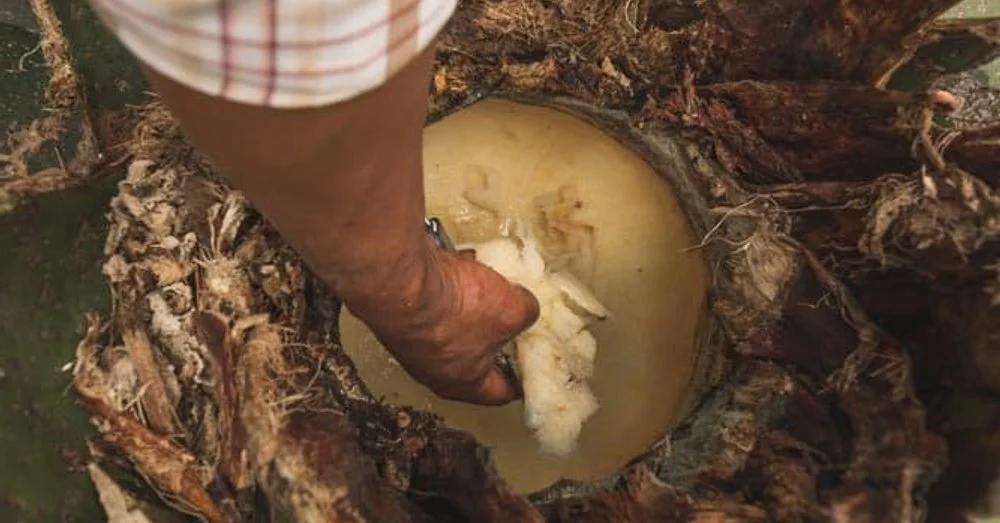
As time passed, pulque became more widely consumed, evolving into a central part of rural and working-class Mexican life. During the colonial period and well into the 19th century, pulquerías—establishments dedicated to serving pulque—flourished throughout central Mexico, especially in states like Hidalgo, Tlaxcala, and Mexico City. These places were not just bars; they were cultural hubs where people gathered to socialize, listen to music, and discuss local events. Pulque, with its milky appearance and slightly sour taste, became a symbol of Mexican identity and pride.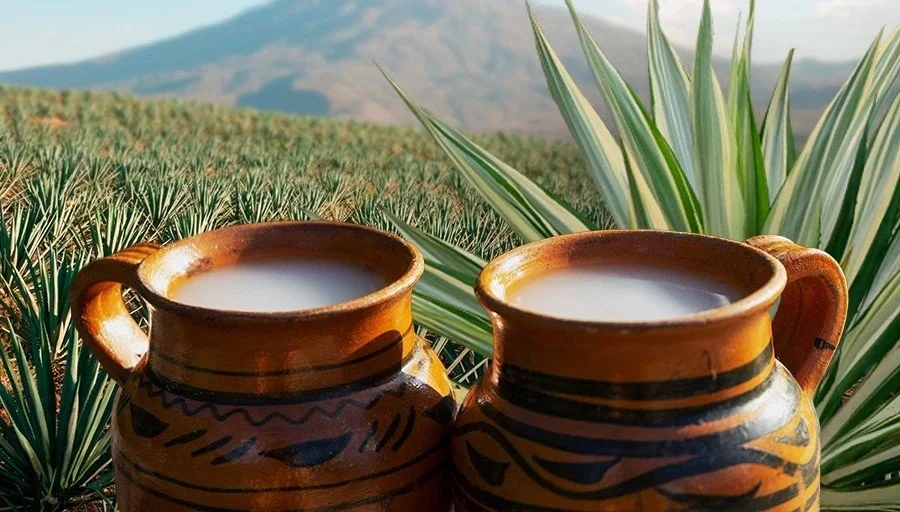
Before the rise of beer in the 20th century, pulque was the most popular alcoholic beverage in Mexico. It was deeply embedded in daily life and tradition, especially in rural areas. However, its prominence began to fade with the introduction and aggressive marketing of beer by foreign breweries. Beer was promoted as modern, clean, and elite—while pulque was increasingly stigmatized as a drink for the lower classes, despite its rich history and cultural roots. This shift led to a dramatic decline in pulque consumption throughout the 20th century.In recent years, though, there has been a resurgence of interest in pulque, particularly among younger generations and cultural enthusiasts. Many are now rediscovering its historical value and unique flavor, and pulquerías are once again becoming popular in urban areas. Pulque’s story is not just about a drink—it’s about tradition, resilience, and a deep connection to Mexico’s indigenous heritage. It stands as a testament to the country’s rich cultural tapestry, reminding us of the flavors and customs that have shaped Mexican identity through the ages.